American History in Paris: The Places Where the United States Was Born
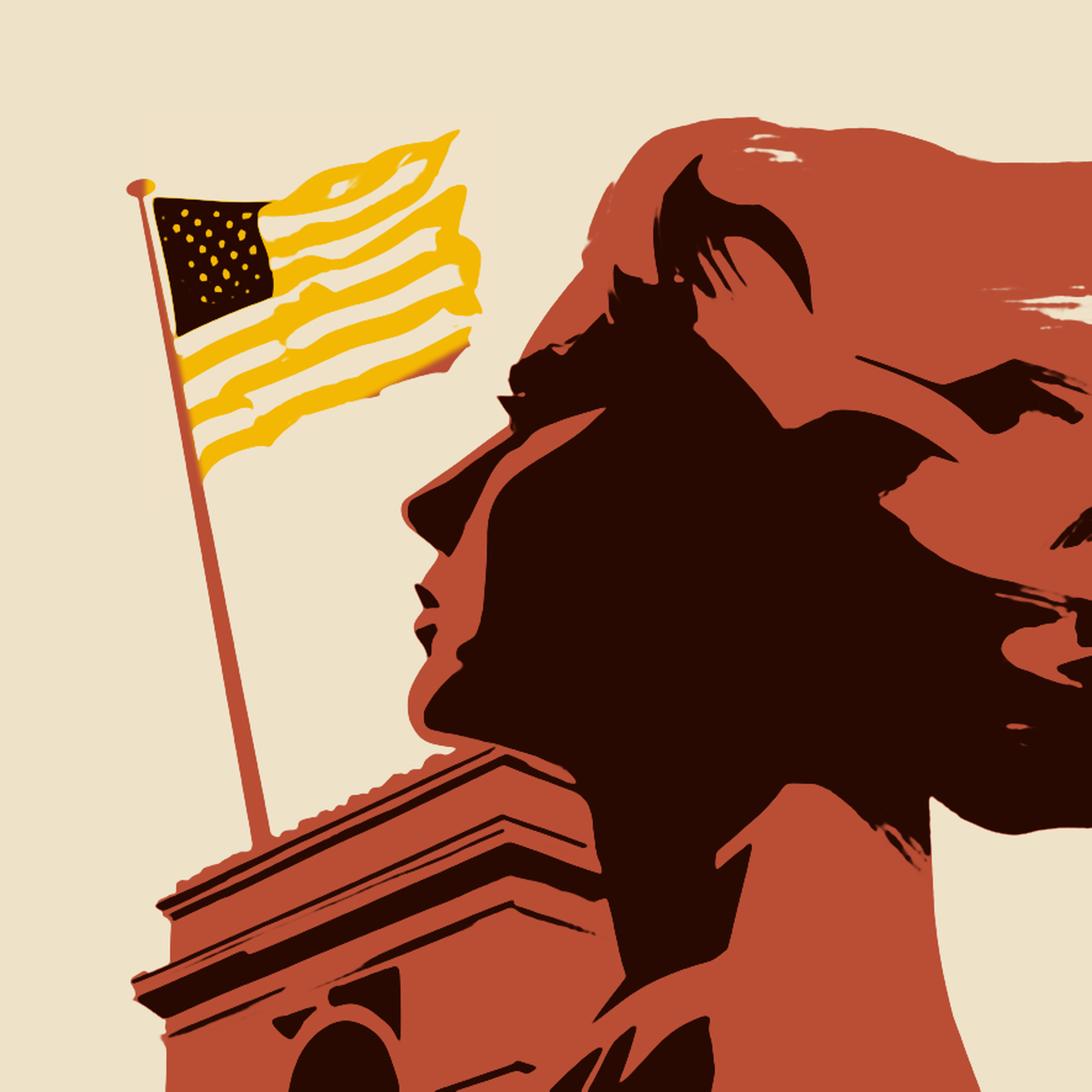
The United States was declared in Philadelphia, but it was financed, recognized and signed into existence in Paris.
That is not French pride talking, or not only. Without French money, French ships and French soldiers there is no Yorktown, and without Yorktown no peace. When that peace came, it was signed in a hotel on a narrow street in Saint Germain, by three Americans who had spent years learning how Paris works. Here is where to stand.
Place de la Concorde, 6 February 1778
On the north side of the square stand two twin palaces built for Louis XV. In the western one, Benjamin Franklin, Silas Deane and Arthur Lee signed two treaties with France, one of commerce and one of military alliance. France became the first great power to bet on the United States.
Nobody quite agrees on the exact room. The Hôtel de Crillon claims the honor, while the corner building on rue Royale, the old Hôtel de Coislin, carries the plaque. They share a façade, so you cannot really miss it. Fifteen years later Louis XVI was guillotined on this same square, the king who had helped one revolution losing his head to the next.
Versailles, March 1778
A few weeks later, Louis XVI received Franklin at Versailles. The American turned up without a wig, in the plainest clothes in the room, and the court was shocked, then charmed, then busy copying him. Franklin, who understood marketing two centuries before anyone had a word for it, let them.
Passy, the village of Franklin
For eight years Franklin lived at the Hôtel de Valentinois in Passy, then a hilltop village outside the city. He received half of Europe there and flirted with a good part of the other half. A plaque on rue Raynouard marks the site. His Paris years have their own story in Benjamin Franklin's Paris.
Saint Germain, 3 September 1783
At 56 rue Jacob, then the Hôtel d'York, Franklin, John Adams and John Jay signed the peace with Britain's envoy, David Hartley, and Britain recognized the independence of the United States. A plaque on the façade says so, quietly, above people walking their dogs.
It is a strangely moving place, precisely because there is nothing remarkable about it: an ordinary eighteenth century building, more often than not wrapped in scaffolding for reasons nobody has ever explained to me. I sometimes wonder why the United States has never bought it and turned it into something, a small museum, anything, because few addresses on earth matter more to American history. Upstairs, Franklin, Adams and Jay signed away years of war, of sacrifice, of deaths. Then they came back down and stepped out onto this pavement. I often think about that first step, the first step of free men, of a country that was finally theirs, paid for in blood and tears. For the United States, it all began on this sidewalk, in front of a door you would walk past without a second glance.
The Champs Élysées, Jefferson's house
Jefferson lived at the Hôtel de Langeac from 1785 to 1789, at what is now the corner of rue de Berri. Nothing of it remains. His real Paris legacy ended up on American dinner tables: Thomas Jefferson in Paris.
Picpus, the flag that stays
Lafayette died in 1834 and lies in Picpus cemetery, a small private enclosure in the 12th arrondissement, beside his wife, under earth he had brought back from Bunker Hill.
On 4 July 1917, three months after the United States entered the First World War, American officers came to his grave. It was Colonel Charles Stanton, and not General Pershing as most people believe, who spoke the words "Lafayette, we are here." An American flag has flown over the tomb ever since, replaced every Fourth of July, and the story goes that it stayed up right through the German occupation.
What strikes me, again and again, is how much my American guests care about Lafayette. Some know his life well, others hardly at all, but every one of them wants the story. When they learn that he was nineteen, that he bought his own ship and sailed against the express orders of his king, they are hooked. Yes, he wanted adventure and glory. But he also answered a genuine call to defend a people who wanted to be themselves. It took nerve, and a few other attributes I will leave to your imagination.
Walk to the back of the garden. Beyond a gate lie the mass graves of more than 1,300 people guillotined in the summer of 1794, among them the mother, grandmother and sister of Lafayette's wife. The most American corner of Paris is also one of its saddest.
For the completists
A small Statue of Liberty, a gift from the American community of Paris in 1889, stands on the Île aux Cygnes. George Washington rides a bronze horse on Place d'Iéna, and on Place des États Unis, Washington and Lafayette shake hands in a group by Bartholdi, the sculptor of the real Liberty.
You could see all of it in one long day. Or you could choose one neighborhood, sit down, and let it tell you the story properly. In Saint Germain, where the peace was signed, that is what the Saint Germain Food Tour does, with pastry, cheese and wine as supporting characters.
Quick answers
Where was the Treaty of Paris signed?
At the Hôtel d'York, 56 rue Jacob, in Saint Germain des Prés, on 3 September 1783. A plaque marks the building.
Where is Lafayette buried?
In Picpus cemetery, in the 12th arrondissement, where an American flag flies permanently over his grave.
Where was the Franco American alliance signed?
On Place de la Concorde, in one of the two palaces on the north side, on 6 February 1778.
Come hungry. Leave with stories.
Private food and history tours in Paris. Your party only, three hours, with Mathieu.