Did Marie Antoinette Say “Let Them Eat Cake”?
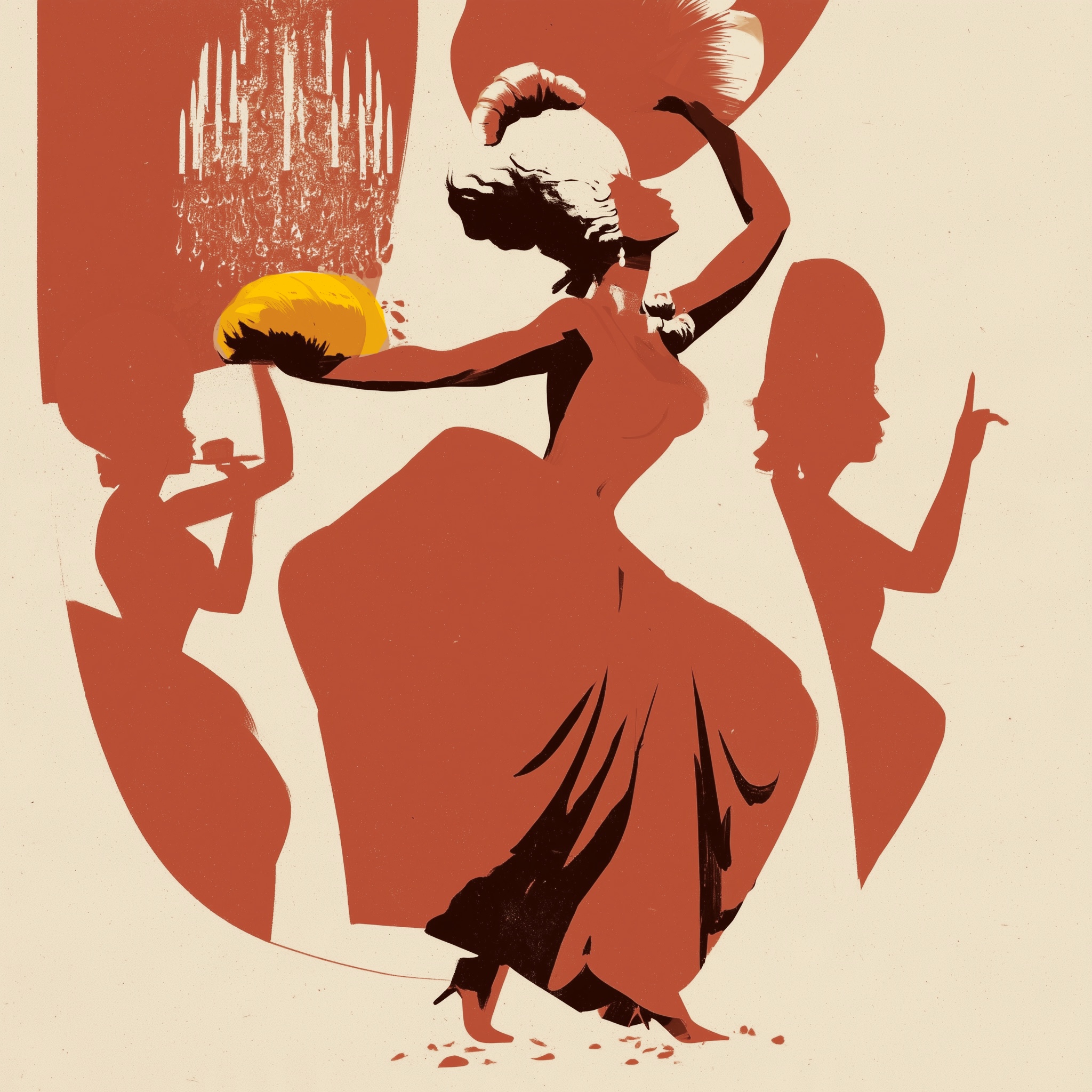
No. There is no historical evidence that Marie Antoinette ever said it. The line comes from Jean Jacques Rousseau’s Confessions, written around 1765, where it belongs to an unnamed “great princess”. Marie Antoinette was still a child in Vienna at the time.
Clients ask me all the time, and I love the question, because the answer is wrong twice over. Wrong pastry, wrong woman.
Not cake. Brioche
The French line is “Qu’ils mangent de la brioche”. Let them eat brioche. Not a frosted layer cake, but a rich bread made with butter and eggs, a luxury a poor family could only dream of. That is what made the line so cruel.
I have to admit she would have had a point. My favorite is a brioche feuilletée from a great baker in the Marais, laminated like a croissant, barely sweet, with a crust that shatters. The other one I keep coming back to is the classic brioche, sliced, toasted, with a good artisan foie gras on top.
The philosopher got there first
The phrase appears in Book VI of the Confessions. Rousseau tells of a great princess who, told that the peasants had no bread, answered that they should eat brioche. He never names her, and gives no source. We may never know whether the exchange happened at all. Marie Antoinette, meanwhile, was a little girl in Vienna. She would not arrive in France until 1770.
The wrong queen
Her biographer Antonia Fraser points to another candidate, a century earlier: Marie Thérèse, the Spanish wife of Louis XIV, who was said to have suggested the poor eat the crust of a pâté. It was a callous and ignorant thing to say, Fraser wrote, and Marie Antoinette was neither.
She gave generously to charity. In June 1775, a few weeks after the bread riots, after watching the King’s coronation at Reims, she wrote to her mother: “It is quite certain that in seeing the people who treat us so well despite their own misfortune, we are more obliged than ever to work hard for their happiness.” It does not sound like a woman who would laugh at hungry people.
I am not here to make a saint of her. She gambled like a fiend. At Fontainebleau, for her 21st birthday, the faro tables ran through the night, and she lost fortunes the King then had to cover. Then there is the Hameau at Versailles, her little farm village where she played at being a shepherdess, a sort of milkmaid Disneyland. Funny for five seconds, then a little sinister, given what real farmers were living through.
But I find her fascinating. She was a victim of something far bigger than her, and so was Louis XVI. I sometimes wonder what Louis XIV would have done in front of the États généraux.
So why her? Because she was foreign, extravagant, unpopular, and the pamphlets of the Revolution had already made her a monster. The line fitted her like a glove. It just was never hers. Her name was first tied to it in print in the 1840s, by the writer Alphonse Karr, who called it a rumor.
And the croissant? Not her either
The story goes that she arrived from Vienna with her own bakers in her luggage, and that they gave Paris the croissant. Not true. The kipferl, the Viennese crescent, reached Paris much later, with an Austrian officer named August Zang, who opened his Boulangerie Viennoise on rue de Richelieu in 1838 or 1839. The word croissant does not appear in French print until the 1850s. The queen had been dead for sixty years. And Zang’s croissant was not yet the laminated, buttery one we eat today.
My guests prefer another legend. The crescent, people say, came from the Ottoman flag: Viennese bakers shaped it after the siege of 1683, so the victors could eat the vanquished for breakfast. Historians do not buy that one either. It tastes good, though.
As for my own croissants, I have three or four addresses, depending on my mood. Some days I want one so crisp it leaves half of itself on my shirt. Other days I want one made with ancient grain flour, for the taste of the wheat and the long finish.
Where to find her in Paris
Her real story ends in Paris, and it is a hard one. After the fall of the monarchy in August 1792, the royal family was locked in the tower of the Temple, in the Marais. In July 1793, her son was taken from her. A few weeks later, she was moved to the Conciergerie, leaving her daughter behind. She was executed on 16 October 1793.
The tower is gone. Napoleon had it torn down in 1808, so that royalists could not turn it into a place of pilgrimage. I still take guests to the spot where it stood. The Conciergerie, where she spent her last weeks, is open to visitors.
After that, you will want a brioche. She would understand. To walk that story with me, book a tour here.
Quick answers
Did Marie Antoinette say “Let them eat cake”?
There is no evidence she did. The phrase, “Qu’ils mangent de la brioche” (let them eat brioche), appears in Rousseau’s Confessions, written around 1765, when she was a child in Vienna.
When was the phrase first linked to her?
The earliest known printed link dates from the 1840s, in Alphonse Karr’s journal Les Guêpes, which treated it as a rumor.
Did Marie Antoinette bring the croissant to France?
No. The Viennese kipferl came to Paris with August Zang’s Boulangerie Viennoise around 1838, long after her death.
Where was Marie Antoinette imprisoned in Paris?
In the Temple tower from August 1792, then at the Conciergerie from August 1793 until her execution on 16 October 1793.
Sources
Jean Jacques Rousseau, Les Confessions, Book VI. Antonia Fraser, Marie Antoinette: The Journey. Alphonse Karr, Les Guêpes (1843).
Come hungry. Leave with stories.
Private food and history tours in Paris. Your party only, three hours, with Mathieu.